Personal Brand Photo Session Planning Guide
Everything you need to feel prepared, polished, and ready for your brand shoot.
What to Expect: Before the Session
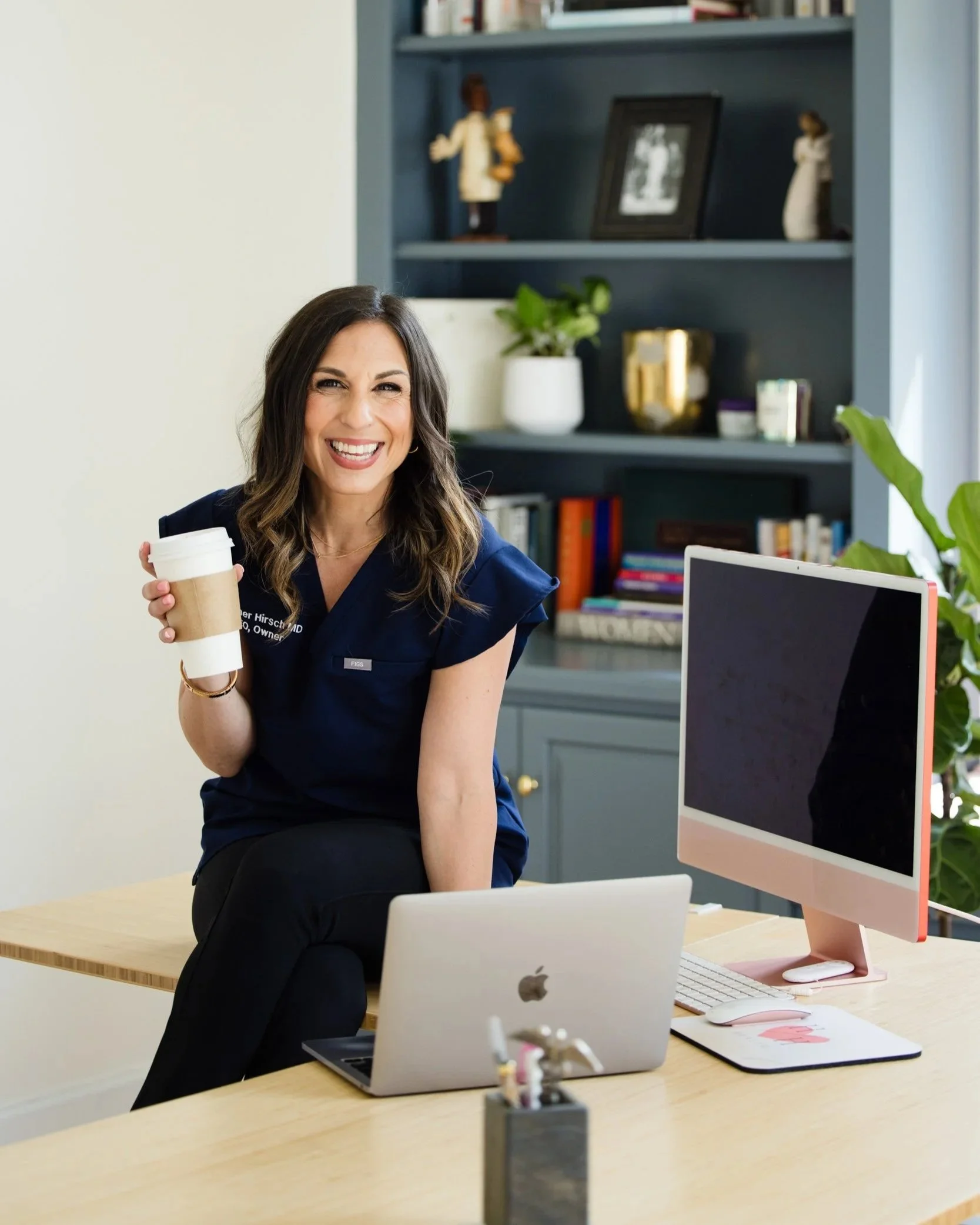
Your brand session starts with one focused planning meeting where we map everything out together.
Before we meet, you’ll complete a brand questionnaire designed to clarify your message, audience, and goals. This helps us understand how you want to be perceived and how your images will actually be used. Are you refreshing your website? Launching a new offer? Trying to show up more consistently on social media? Those answers guide every decision we make.
During our planning meeting, we will:
Refine your brand message
Clarify your ideal client
Choose and finalize locations
Talk through wardrobe direction
Brainstorm content ideas
Build a strategic shot list
By the end of that meeting, you’ll know exactly what we’re creating and why. Nothing is random. Everything is aligned with your business and the next season you’re stepping into.
Where to Shoot: Choosing Your Session Location
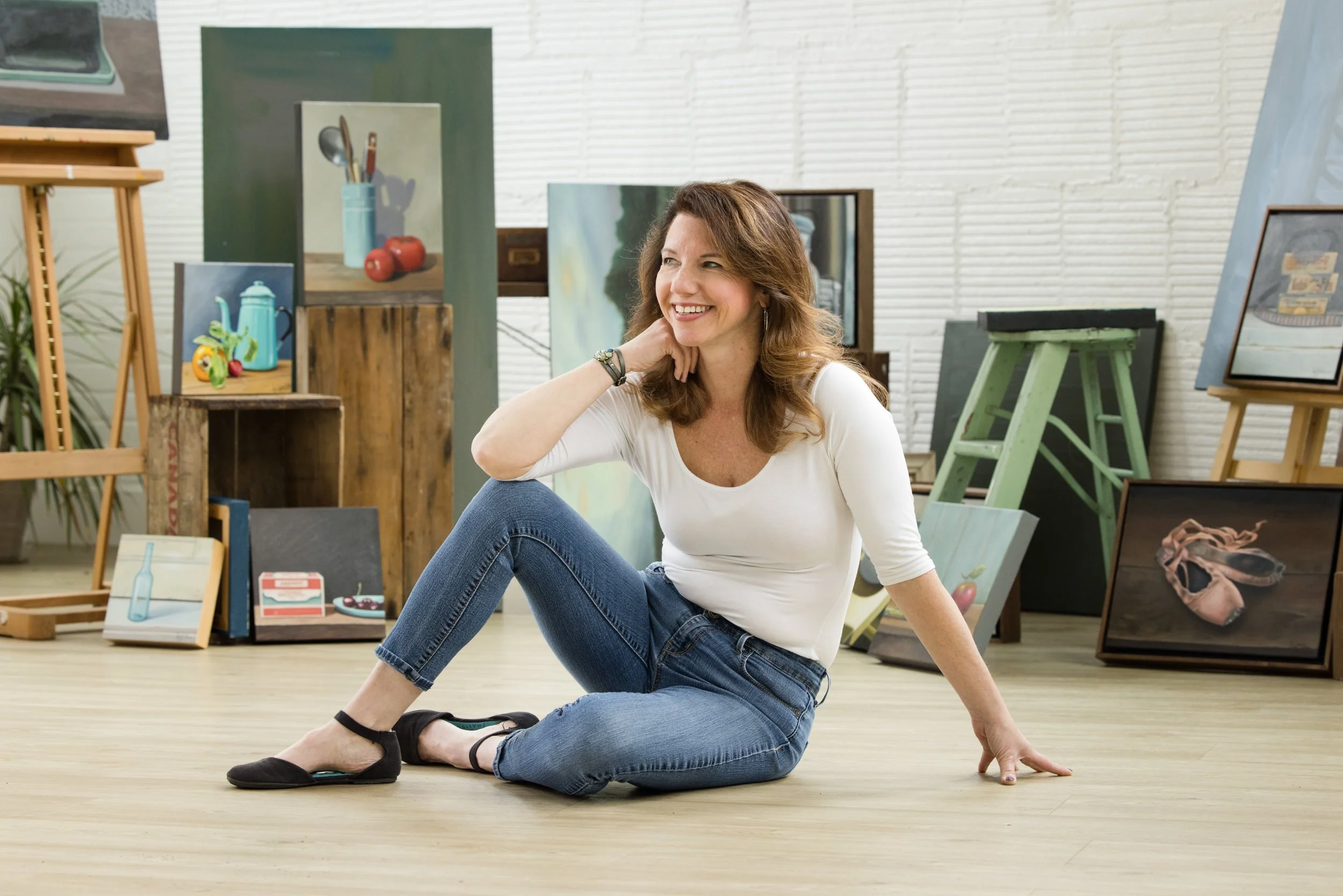
Before choosing a location, think about what your average day looks like. Your brand photos should give potential clients a real glimpse into how you live and work. Often, the best setting is often one that already feels natural to you, like your office, studio, home workspace, or even your backyard.
With the right props and styling, we can bring your space to life. Natural light is always a plus, but if it’s limited, we can create beautiful light anywhere.
If you’d prefer something different, we can explore coffee shops, hotels, or co-working spaces. There are many short-term rental options available if you want to go that route. We’ll help you choose a location that fits your brand and your goals.
What to Wear
Your outfit makes a big difference in how your photos look and feel. Choose pieces that reflect your personality and your brand. There’s no need to spend a fortune, but make sure your clothing fits well and suits your body. Fit matters more than trends.
-
Keep It Clean and Simple
Avoid clothing with large logos, heavy wording, or graphics unless it’s intentionally part of your branding. Busy prints and loud patterns can distract from your face.
Choose the right undergarments and make sure straps, seams, or undershirts aren’t visible.
-
Bring Variety, But Keep It Cohesive
Plan 2 to 4 outfits that feel like different chapters of the same story. For example, one polished look, one more relaxed look, and one that feels creative or expressive. They should all still feel like you and align with your brand colors and tone.
-
Think About Fit
Avoid overly baggy or shapeless clothing. Structure photographs better. If you’re wearing tailored pieces like a blazer or suit, make sure they’re properly fitted. Shirts that are too large can look bulky on camera. Slightly more tailored usually photographs cleaner.
-
Think About Movement
If part of your session includes walking, sitting, or working in action, choose pieces you can comfortably move in. Stiff fabrics or clothing you constantly have to adjust will show in photos.
-
Consider Texture
Texture photographs beautifully. Knitwear, denim, linen, soft layers, or structured blazers add depth without relying on bold patterns.
-
Plan for the Setting
Your location matters. If we’re outdoors, think about footwear and practicality. If we’re in a studio, consider how your outfit contrasts with a neutral backdrop.
-
Accessorize Intentionally
Jewelry, watches, glasses, or signature pieces can elevate your look. A tie or extra layer can give us variety, even if we don’t use it the entire session. Keep accessories aligned with your brand.
-
Grooming Details Matter
Clean nails, polished shoes, and steamed or wrinkle-free clothing make a difference. High-resolution images capture small details.
-
Avoid Last-Minute Changes
Try everything on ahead of time. Sit, stand, and move in it. Make sure nothing pulls, gaps, or feels distracting. Confidence shows up when you’re not thinking about what you’re wearing.
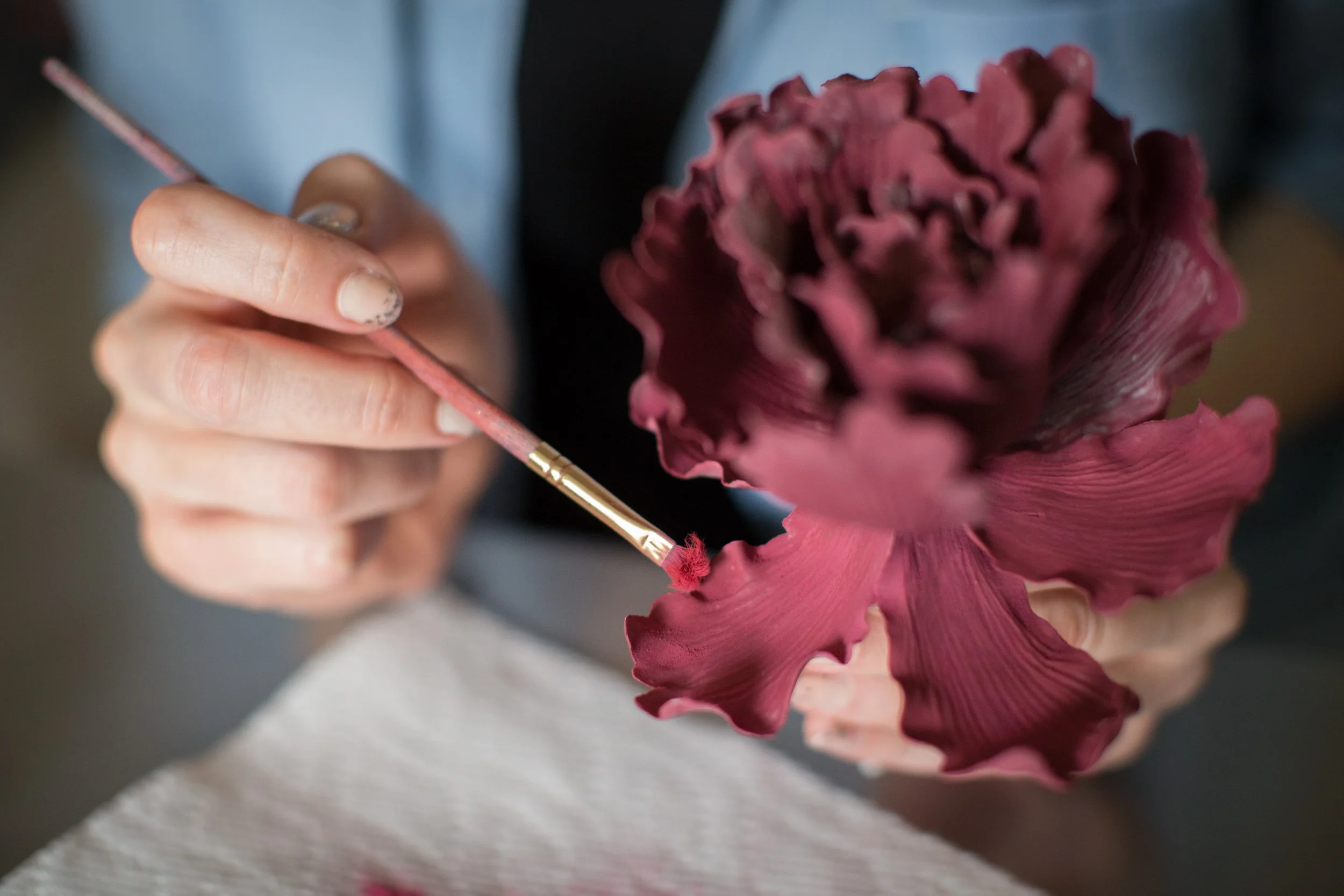
Props help tell the story of what you do and who you are. The key is intention. Bring items you genuinely use in your work and pieces that visually reflect your brand.
What to Bring: Choosing Props That Work for Your Business
Start with your everyday essentials.
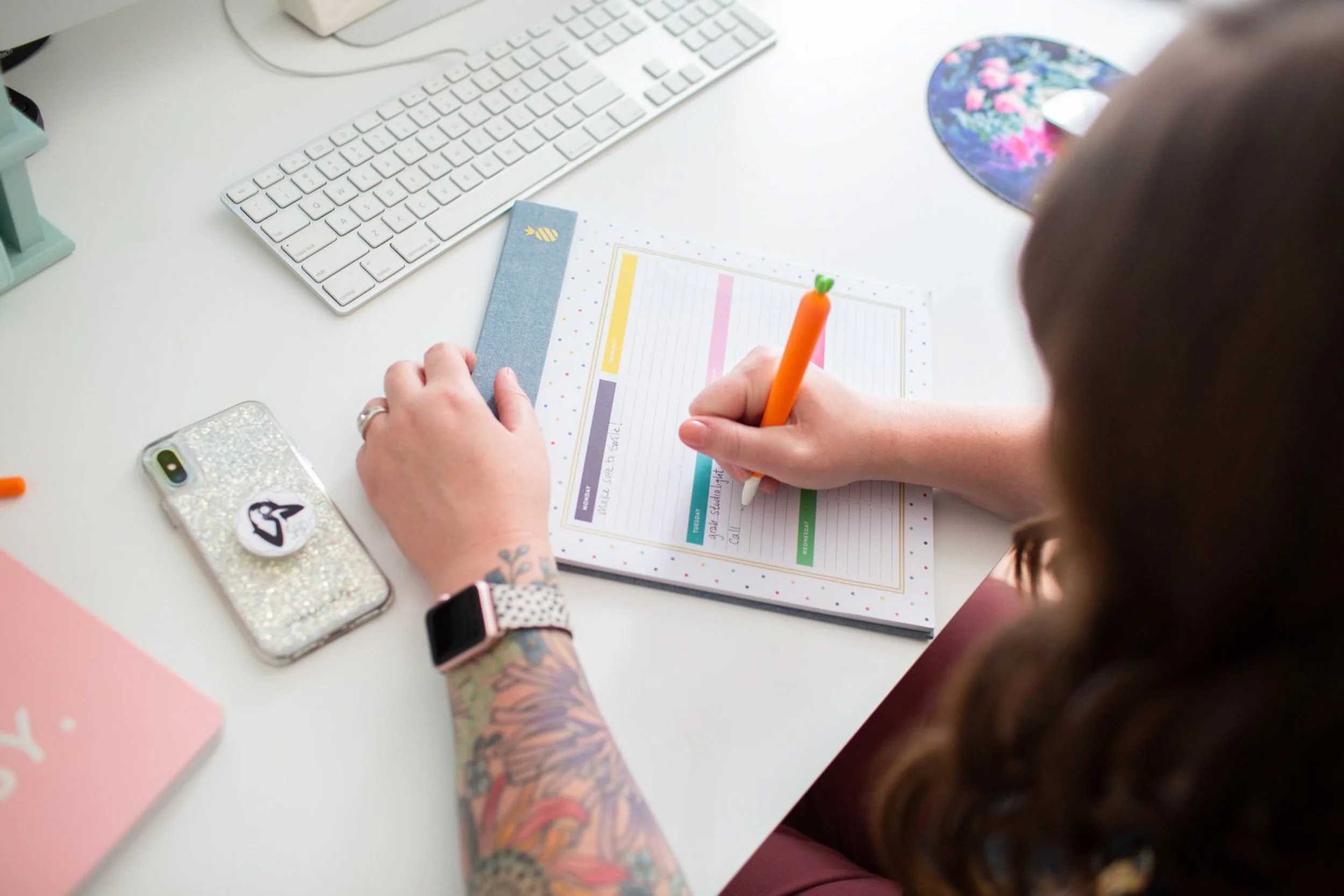
Laptop or tablet, phone, planner, notebook, favorite pen, headphones, coffee mug. These simple tools instantly make your images feel natural and real.
Showcase what you actually do.
Bring items from your real workday. Planning boards, tools, client folders, recipe testing supplies, or anything you naturally use help your images feel authentic.
Include professional materials if relevant.
Business cards, brochures, workbooks, books you’ve written, or press features can subtly communicate credibility.
Think about interaction.
If you work closely with clients, we can stage moments like reviewing notes, hopping on Zoom, or walking through a consultation.
Visual styling matters too.
Pillows, flowers, desk accessories, branded packaging, or tech covers in your brand colors help tie everything together. These details may seem small, but they create cohesion in your final gallery.
Don’t forget personal details.
Meaningful books, travel keepsakes, a favorite mug, an instrument, or another object that reflects your personality adds warmth and dimension. Your brand is personal. Your images should feel that personal too.
People as props.
If you’re service-based, consider bringing a friend, colleague, or client to act as a stand-in. Interaction creates natural, dynamic images that show connection in action.
Looking and Feeling Your Best on Session Day
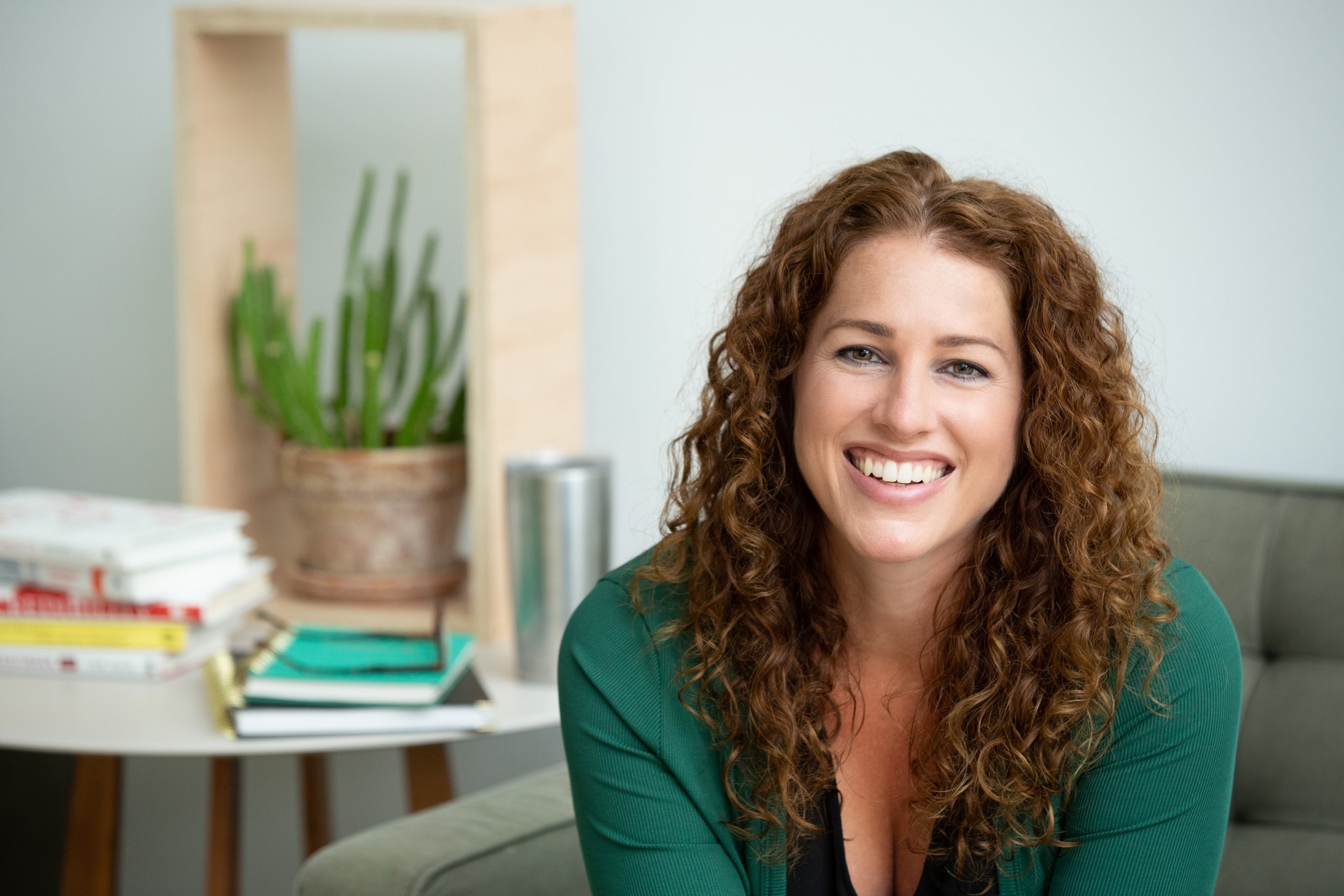
How you show up on session day matters. Hair, makeup, and grooming should feel like you on your best day. The goal isn’t to look different. It’s to look polished, rested, and confident.
For hair, stick with a style you’re comfortable wearing.
Freshly trimmed facial hair, clean lines, and neat styling go a long way. If you color your hair, try to schedule your session within a week or two of a refresh so it looks intentional.
Makeup should enhance, not overpower.
Camera lighting can soften features, so slightly more definition than your everyday look usually photographs best. Even skin tone, defined brows, and a bit of contrast around the eyes help you look vibrant on camera.
Don’t want to worry about it?
If you want an elevated, stress-free experience, consider hiring a professional hair and makeup artist. It takes pressure off you, ensures everything lasts throughout the session, and gives you a polished finish that translates beautifully in photos.
Above all, aim to feel like yourself.
When you feel comfortable and put together, it shows.